
Australians are quietly booking their MRIs, their molars and their facelifts on the same trip they book their beach view.
Not to cut corners — to skip the queue, the mark-up and the cold clinical shrug of the system back home. Inside the offshore health boom, and how to do it without ending up a cautionary tale.
Here’s a scene that’s becoming ordinary. A Sydney executive lands in Bangkok on a Friday. By Monday she’s had a full-body MRI, a hundred-plus biomarkers pulled, an IV drip to take the edge off the flight, and a consult with a doctor who actually looked at her for longer than eight minutes. Tuesday, she’s at the pool. She flies home with her results, a plan, and change from what the same workup would have cost her at home.
This isn’t fringe anymore. An estimated 15,000 Australians travel overseas for medical treatment every year, and researchers reckon that’s a lowball — nobody actually counts outbound patients at the airport. Cosmetic surgery tourism alone runs to around A$300 million a year. And the appetite is only growing: a nationally representative survey of just over a thousand Australians found 57 per cent would consider going abroad for a medical procedure — with more than two-thirds saying they’d do it knowing travel insurance wouldn’t cover a thing if it went sideways.
That last figure should stop you. People aren’t stumbling into this. They’re weighing the risk with eyes open and going anyway. So the real question isn’t why would you? It’s what’s broken at home that makes the risk worth it?
To make sense of it, we sat down with Xavier Mito, medical CEO of The Medical Agency — an Australian-Japanese healthcare concierge that does nothing but vet offshore clinics, in person, and match Australian patients to the right one. What follows is the honest version — the savings and the smart plays, but also the failed implants and the eighty-thousand-dollar fixes. Read to the end before you book anything.
Almost everyone goes for the savings, which can be as much as 80 per cent. But the ones who come back happy didn’t go for the cheapest option.
— Xavier Mito
Two reasons we’re leaving
Strip it back, Mito says, and there are really only two drivers: money, and access.
The money one is obvious. Preventative checkups, regenerative therapies, surgery major and minor, and dentistry are all expensive here without private cover. For a lot of people the maths is almost absurd: fly to Bali or Thailand, stay somewhere lovely, have the procedure done at a world-class facility — often, Mito notes, with a clinic discount and an airport pickup thrown in — and still come out ahead of the domestic quote. You get a holiday for the price of the surgery you’d have had at home anyway.
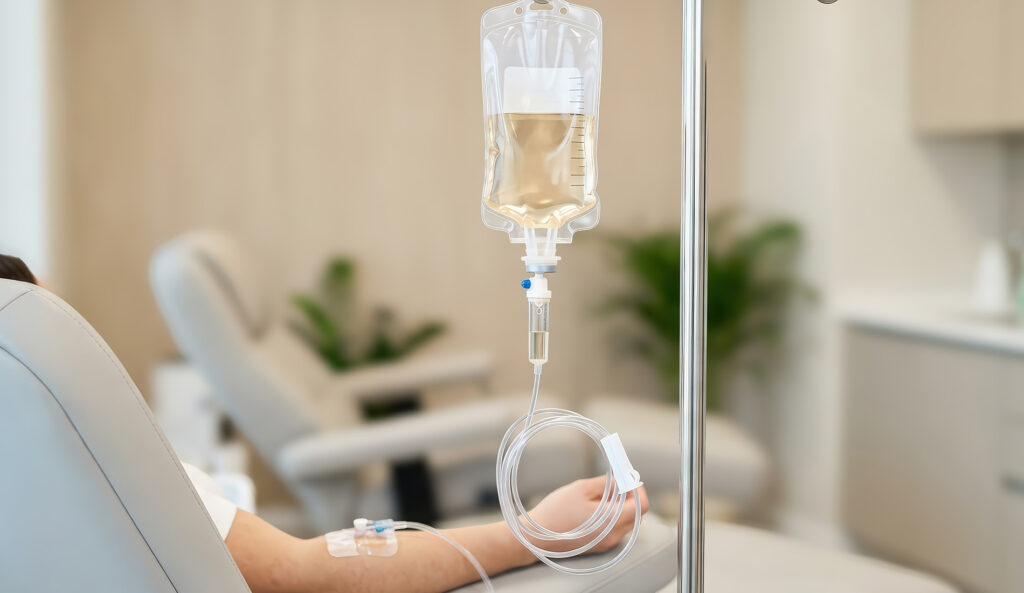
Access is the quieter driver, and arguably the more interesting one. A whole category of advanced anti-ageing and regenerative treatment — stem cell therapy, certain IV infusions like NAD+ and the Myers’ Cocktail — is heavily regulated or simply unavailable here. People with everything from stubborn skin conditions and fatigue through to knee and hip pain, diabetes, even neurodegenerative concerns, are travelling to reach treatments they can’t get a booking for at home. On the elective side, public hospital wait times for surgery have been climbing, which pushes even patients who could pay privately toward the shorter offshore queue.
The scan that started a movement
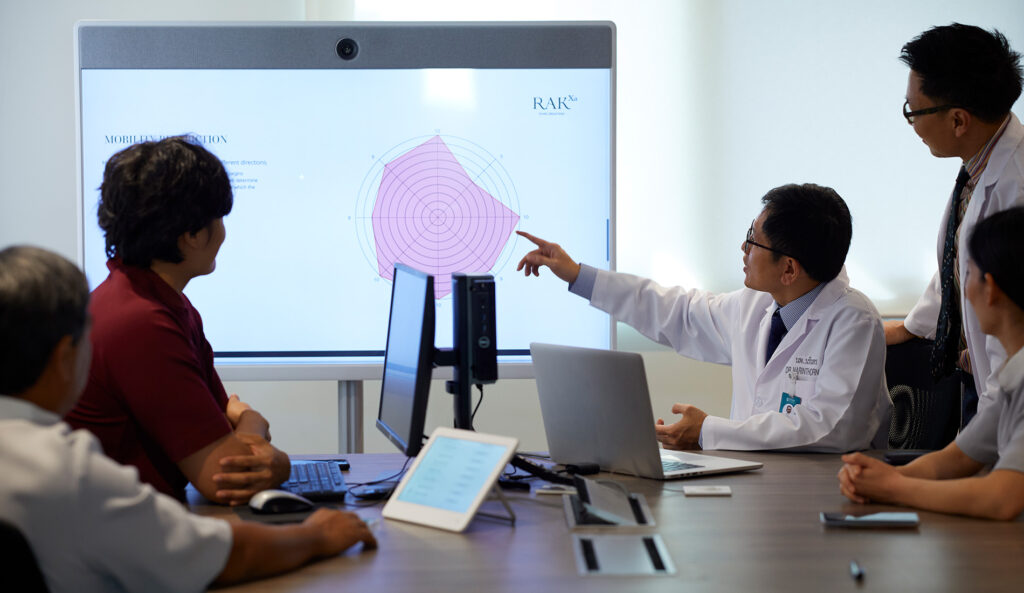
If there’s one procedure driving the current wave, Mito says, it’s the bespoke full-body checkup. MRIs, CT scans, and biomarker panels that track 110-plus data points — enough, he explains, to flag hereditary disease, early cancer markers, even DNA-level ageing like telomere unravelling.
In Australia, this level of screening can be hard to access and slow to book. The price gap is the kicker. A full-body MRI through a premium domestic service like Prenuvo runs around US$2,500. The same scan in Japan or Thailand? Closer to US$1,200. Same technology, half the price, and often a shorter wait.
This is the shift underneath the whole story: people are moving from reactive to proactive. They’re not waiting for something to go wrong. They’re buying information about their own bodies — and buying it wherever it’s best value.
Where everyone’s going, and why
The offshore map isn’t one-size-fits-all. Each destination has a personality, and Mito — who assesses clinics across all of them — sketches them like this.
Thailand — the all-rounder. The most popular destination for Australians, and it earns it. Excellent quality, still relatively affordable, with deep experience handling international patients. The customisation is what stands out — a clinic like BDMS Wellness Clinic can run your preventative checkup, IV therapy and dentistry on one site, tailor the tests to your history, and hand you off to a hospital like Bangkok Hospital for follow-up. Its dentistry is now genuinely world-class.
Vietnam — the value dentist. The most affordable option for dental work, drawing patients from across Asia for implants and veneers. Sharp pricing, strong results.
Bali — the neighbour. Wins on proximity and price. Cosmetics are the drawcard here: injectables, fillers, facials, and IV drips for skin, hydration and vitamin deficiency. Close enough for a long weekend.
Japan — the premium capital. The high end of medical tourism. A medical system that gives doctors more autonomy has made it a hub for genuinely innovative treatment — preventative screening, regenerative medicine, longevity-focused care. Nobody goes to Tokyo for the cheapest price. They go for the best.
“Japan is the clearest proof this isn’t just about money. Those patients are chasing quality, innovation and access — full stop.”
— Xavier Mito

What’s actually in demand
Across The Medical Agency’s books, Mito says, the biggest movers are preventative health checkups, stem cell therapy, and dentistry — implants and veneers especially. But the pattern underneath matters more than the list. Patients want medical quality and a lifestyle experience. Not the lowest price. The combination.
On the aesthetic side, cosmetic work remains one of the biggest engines of medical tourism overall — rhinoplasty, facelifts, injectables, fillers, body contouring. Nationally, cosmetic and plastic surgery is the third most common reason Australians say they’d travel, and it skews young: the 25-to-34 bracket is by far the most willing to go. On the wellness side, it’s longevity treatments, regenerative medicine, hydration therapy, vitamin infusions and skin rejuvenation — increasingly bundled into a single trip alongside the recovery, the spa, and the switch-off from work.
Why it feels different over there
Clinically and emotionally, the offshore experience often lands differently from private care at home — and not in the way the warnings imply.
Appointments run longer. Communication is more detailed. You get far more direct access to the doctor, and far more flexibility to customise — particularly around screening, wellness programs and longevity care. The best international hospitals are built specifically around the international patient, with concierge-style coordination: transport, translators, accommodation and treatment all handled together.
Then there’s the setting. Recovery in a wellness resort rather than a fluorescent-lit ward. A procedure folded into a proper reset — spa, rest, distance from the inbox. For a lot of people, that’s not a luxury add-on. It’s the reason recovery actually happens.
The quiet realisation for many patients is that they’re not trading quality for cost. They’re accessing modern facilities, internationally trained doctors and a level of attentiveness that an overloaded system at home simply can’t spare.
Let’s talk numbers
Cost is usually what opens the door, even if experience is what closes the sale. Depending on the procedure and destination, patients typically save 30 to 70 per cent against private prices at home — sometimes as much as 80. The strongest value shows up in three places.
Dental. Implants, veneers, crowns and full smile restorations get eye-watering domestically. Offshore, you’re reaching experienced specialists and modern tech at a far more human price. It’s the number-one thing Australians say they’d travel for — 65 per cent.
Cosmetic. Strong value once you factor in the service, the recovery support and the standard of the clinic. Most people are surprised by how much individual attention they get.
Preventative screening. Comprehensive testing, fast results, multiple specialists — all inside a single short trip, versus the slow scramble of organising it piecemeal at home.
And then there’s Japan, the exception that proves the point. Those patients aren’t chasing the lowest number at all. They’re paying for premium preventative medicine, regenerative therapy and longevity care they can’t easily get anywhere else. The trip itself becomes part of the value: healthcare, travel, recovery and luxury for a comparable total spend. Medical tourism, reframed — not the cheap option, the efficient one.
Where it goes wrong
Now the part the glossy version skips. Because it does go wrong, and almost always, Mito says, for the same reason: someone chased the lowest price and skipped the homework.
He points to one patient who went to Turkey — not through The Medical Agency — for an All-on-4 dental procedure, quoted at A$4,000. The implants failed. By the time the patient came to him to put it right, the fix cost A$80,000. That’s the whole risk equation in a single story: a A$4,000 saving that turned into an A$80,000 problem.
Communication breakdowns, no aftercare plan, heavily-marketed clinics with little real substance behind the Instagram grid, and expectations set by a filter rather than a consultation — these are the failure modes. The authorities aren’t wrong to caution. The Australian Medical Association and the Royal Australasian College of Surgeons both warn against medical tourism, and the genuine risks — infection, antibiotic-resistant bacteria, complications that Medicare and travel insurance won’t touch on your return — are real.
The fix isn’t fear. It’s vetting.
A A$4,000 saving became an A$80,000 problem. The cheapest quote is almost never the cheapest outcome.
How to do it properly
Before you book anything, run the clinic through this. Non-negotiables:
- Genuine international-patient experience. Not just a translated website — real systems for treating people who fly in and fly home.
- Doctor credentials and institutional backing. Internationally trained physicians, modern equipment, hospital affiliations, and a multidisciplinary team if something needs escalating.
- Transparent communication. If it’s hard to get a straight answer before you pay, it’ll be harder after.
- A real aftercare plan. Good clinics treat you as an ongoing patient, not a one-off transaction — teleconsults, recovery monitoring, and referral pathways to specialists at home if needed.
- Reviews with a pinch of salt. Testimonials help, but don’t mistake a marketing budget for a track record.
The golden rule, in Mito’s words: don’t shop on price alone. Look for medical quality, transparent communication, proper follow-up, and an environment where you actually feel safe. It’s the reason he personally visits every clinic The Medical Agency partners with — assessing the facilities, the doctors, the communication standards and the patient experience directly, and staying in regular contact afterward, rather than taking a brochure’s word for it. When the stakes are your body, secondhand assurance isn’t enough.
The retreat crossover
Here’s where it gets interesting for our world. Medical tourism and wellness travel are merging into the same trip. Patients aren’t booking a procedure — they’re booking a recovery experience, with the clinical work at its centre.
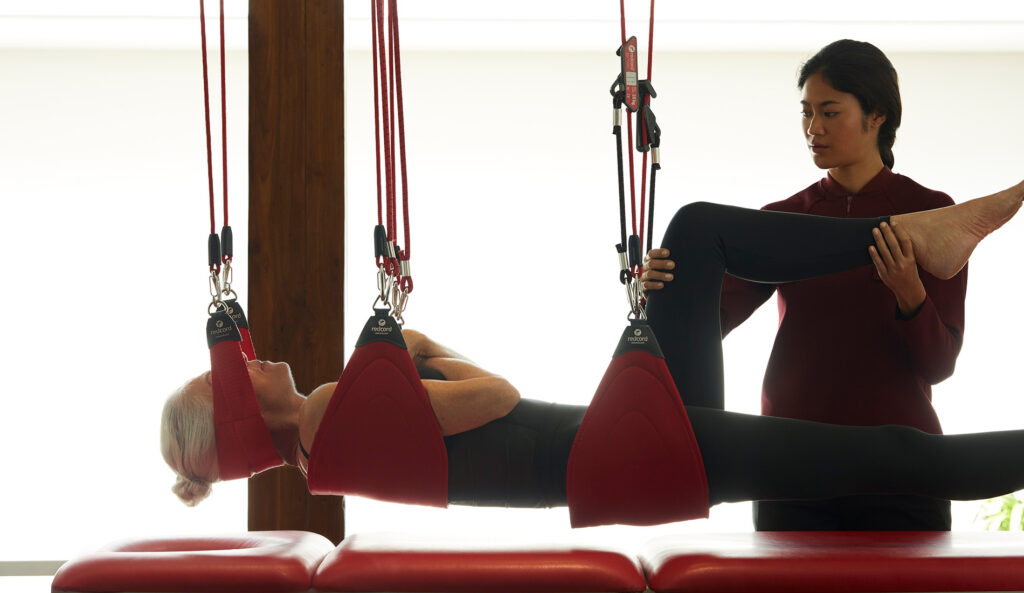
Two examples Mito points to say it best. In Thailand, Sri Panwa and BDMS Wellness Clinic pair preventative and gut-health screening with personalised nutrition, IV therapy, wellness consults and recovery-focused retreat time — in some cases right down to bespoke meal planning built around your own deficiencies. In Bali, Revivo Wellness Resort (a converted private residence once belonging to Aman founder Adrian Zecha) works with the Vitality Center and Cocoon Medical Spa to offer longevity treatments alongside procedures like hair transplants.
Layer in the meditation, sleep optimisation, stress management and mindful recovery, and you can see the shape of the thing: healthcare that treats the whole person, not just the presenting complaint. It’s the same instinct driving the broader boom — the global wellness tourism market is now valued at close to US$1 trillion, forecast to more than double by the mid-2030s, with preventative health and longevity science named as the engines. This isn’t a niche. It’s the direction of travel.
The verdict
So — should you go? The honest answer is: maybe, and only if you do it right.
Mito is optimistic about the underlying shift. “Too often, people only react once a problem is already serious, or when it’s too late,” he says. “If we can move toward a more preventative, proactive model — where people monitor their health, optimise their lifestyle and address issues earlier — we could significantly improve both quality of life and long-term outcomes.” Regular monitoring, earlier intervention, a bit of optimisation: it’s a better model of health, full stop. If offshore access is what makes it affordable and reachable, that’s a win.
But the rush is the enemy. Don’t book because something looked cheap and glossy on a screen. Research the clinic, the doctors and the aftercare. Approach it with a long-term mindset, not a transactional one — the best outcomes come from providers who prioritise communication, transparency and your wellbeing over selling you a procedure by Friday.
And if the homework feels overwhelming, that’s exactly the gap a concierge like The Medical Agency is built to fill. For anything complex, working with an intermediary who has already vetted the clinics in person — and who acts as your advocate through the treatment and the aftercare — is the difference between guessing and knowing. It’s a sensible place to start, whether you book through them or simply use them to sanity-check the plan.
Done well, this can be one of the best decisions you make for your health. Done in a hurry, it’s how you become someone else’s cautionary tale. The boarding pass is easy. The homework is the part that keeps you safe.
Where the numbers come from
Interview: Xavier Mito, medical CEO of The Medical Agency (medical.agency), an Australian-Japanese healthcare concierge. Clinic names, procedure detail, case examples and expert commentary are his. Independent data: patient volumes, spend and destination figures from Better Health Channel (Vic Health) and The Conversation; willingness-to-travel figures (57%, 65%, 33%, age breakdowns) from an Insure&Go nationally representative survey of 1,006 Australians, reported by Karryon and The Ideas Suite; wellness tourism market sizing (~US$1 trillion in 2025, projected ~US$2.4 trillion by mid-2030s) from Grand View Research and EHL Insights.
Explore more Wellness blogs Here