Bath has always been a city defined by water. Long before the Georgian crescents, Jane Austen and the café-lined streets, there were the springs, rising from more than two miles beneath the earth at a constant temperature of around 46°C, and drawing visitors here for nearly two thousand years. Romans built temples around them. Georgian society came in search of their restorative powers. Today, they remain the city’s enduring signature. So it feels entirely apt that Bath’s most distinguished hotel should be built around them too.
The Gainsborough Bath Spa is not simply a place to stay. It is a place to step into Bath itself. A hotel where the city’s history is not displayed at a distance but felt through touch, texture and water. It is also the only hotel in the United Kingdom to offer direct access to Britain’s only natural thermal waters, transforming a luxury stay into something singularly memorable.
What distinguishes The Gainsborough Bath Spa is its restraint. In an age when luxury is often expressed through spectacle, this hotel does the opposite. It is composed, understated and quietly assured.
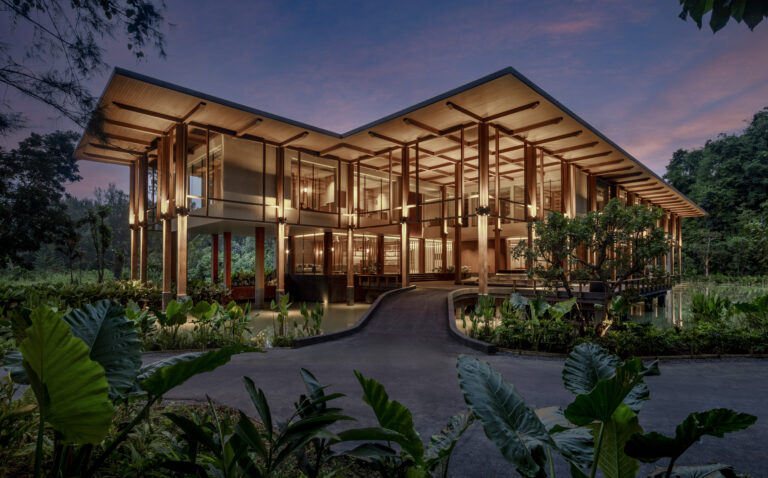
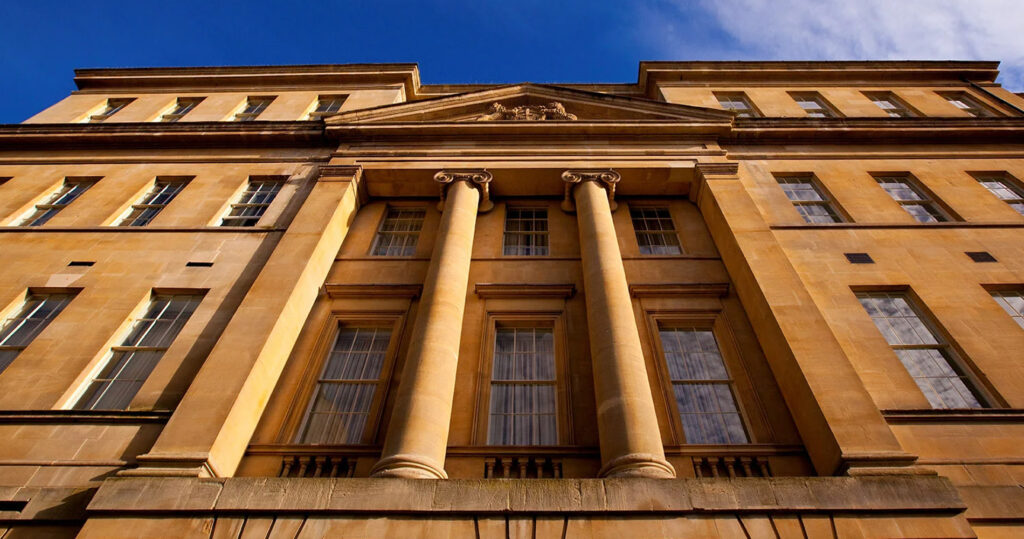
Housed within a beautifully restored collection of Grade II listed buildings in the heart of Bath, it sits naturally among the city’s honey-coloured limestone façades. Step inside and the pace softens at once. The reception is polished but unforced, the welcome warm and effortless, and every detail feels thoughtfully considered without ever seeming overdesigned.
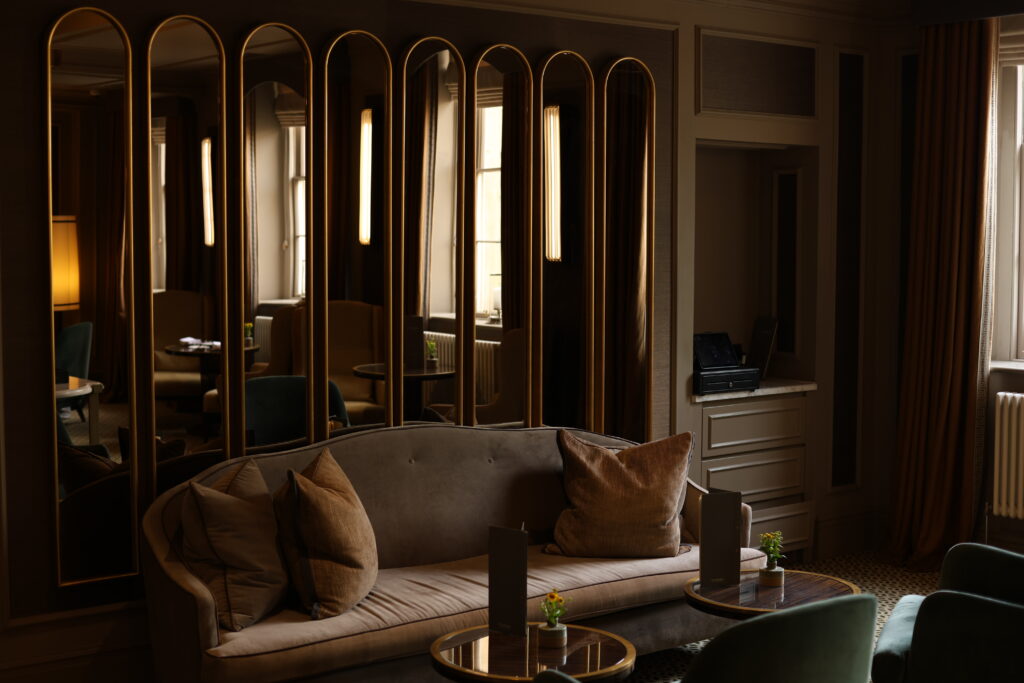
The history beneath the hotel
I sat down with the hotel manager, Wayne, who walked me through the building’s layered past and the careful transformation that brought it to life as a modern spa hotel.
The story begins in the 1820s, when the main structure was designed by the accomplished Bath architect John Pinch the Elder and opened in 1826 as the United Hospital. For more than a century it served the city as a place of care and convalescence, its Georgian façades becoming a familiar part of Bath’s streetscape. After the hospital closed in 1932, the building found a new life as Bath College, educating generations of students before falling vacant in the early 2000s.
For a decade, the site stood largely empty, its future uncertain. Then YTL Hotels a Malaysian family-run group with a portfolio of luxury spa properties around the world acquired the buildings with a clear vision: to create the UK’s first and only hotel with direct access to Bath’s natural thermal waters.
The conversion was complex. The project involved not only restoring the historic wings but also constructing a new wing on Lower Borough Walls and reimagining the neighbouring 17th-century Bellotts annexe, which was linked to the main building by a newly formed tunnel. The lower levels were transformed into the 1,300-square-metre Spa Village Bath, designed over two floors around a light-filled atrium and inspired by the Roman bathing tradition that defines the city.
During excavation, the team uncovered traces of Bath’s ancient past: Roman coins (largest collection in the UK) , fragments of mosaic and evidence of earlier settlements beneath the site. Some of the coins are now displayed in the lobby, the largest collection ever discovered in the UK; a replica of the mosaic discovered beneath the spa area has been carefully recreated for guests to view in the Spa Village, while the original remains protected beneath.
As Wayne explained, the challenge was to honour the building’s heritage without freezing it in time. The result is a hotel that feels both deeply rooted in Bath’s history and entirely engaged with the present — a place where 19th-century architecture meets contemporary comfort, and where Roman-era waters flow through a thoroughly modern spa.
The Spa Bedroom with private thermal access
I stayed in one of the hotel’s Bath Spa Rooms. The room offers guests direct access into the Spa Village and its thermal pools. The ritual becomes effortless: swim in the morning, an afternoon spa treatment, and then drift back to the room for coffee.
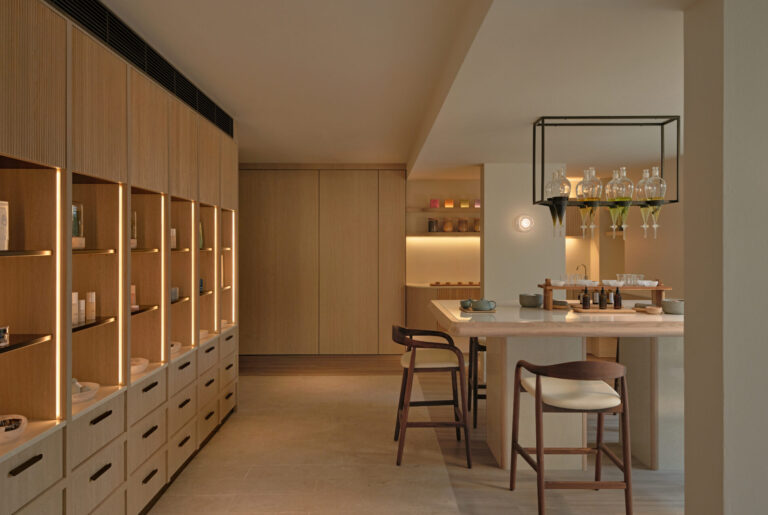
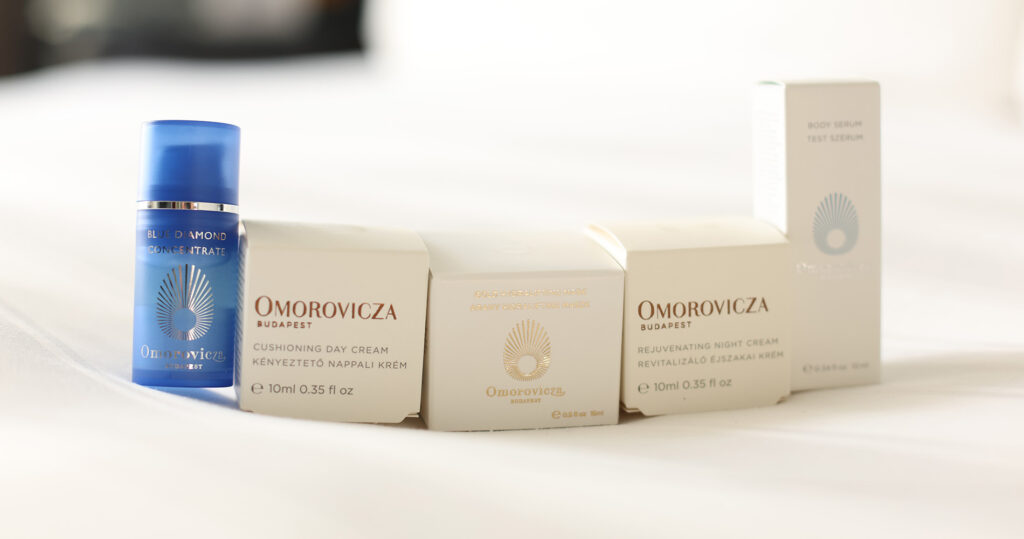
On arrival, a small box of Omorovicza beauty products waited on the bed, a considered gesture that set the tone for the stay. The Hungarian brand, founded by the de Heinrich de Omorovicza family, draws on centuries of Budapest’s thermal spa heritage and a patented “Healing Concentrate” derived from mineral-rich waters. Inside the room, the Elemis amenities, from shampoo to pillow mist, continued that same sense of understated luxury: fragrant, effective and exactly the kind of detail that makes you want to take everything home.
The space is generous without feeling cavernous, balancing heritage and contemporary comfort with ease. Crisp linens, marble bathrooms, muted tones and carefully layered lighting create an atmosphere that encourages genuine rest.
The Thermal Spa experience
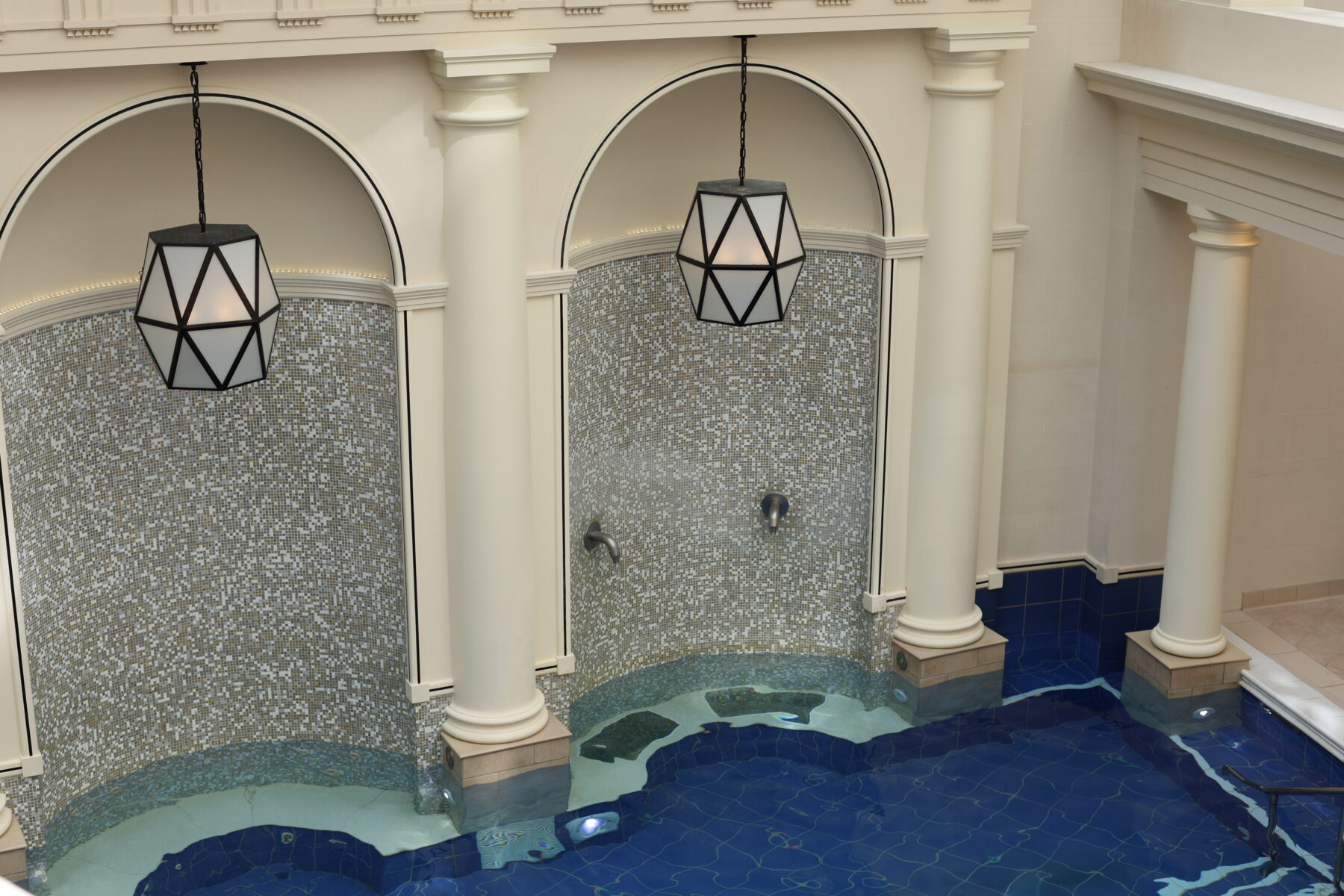
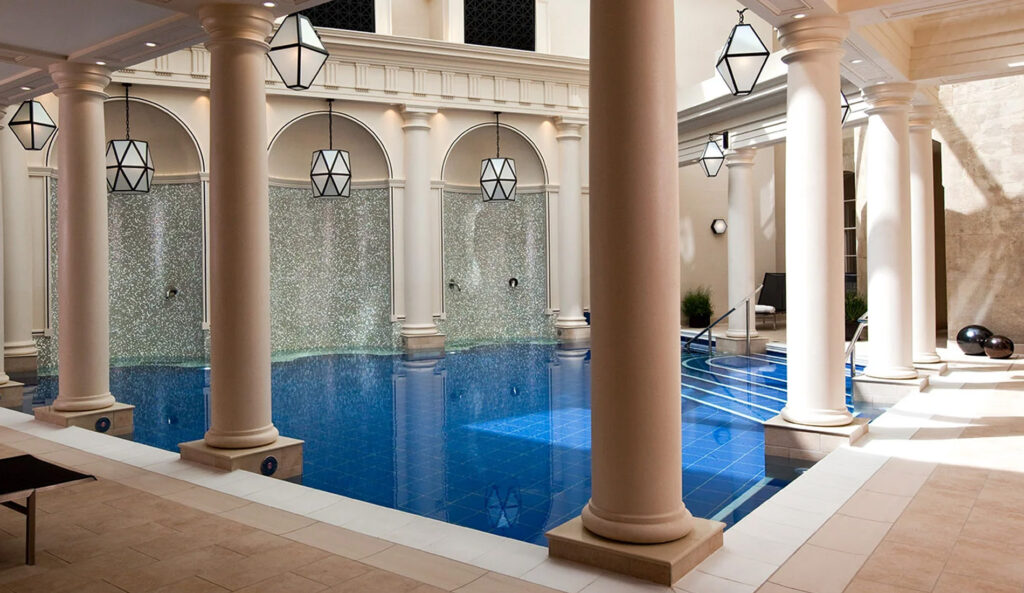
Descending into the Spa Village feels almost ceremonial. Soft light reflects across pools of naturally heated thermal water that have travelled through ancient limestone for millennia before emerging beneath the city. The Romans bathed in these waters; today, they still hold the same elemental appeal.
The effect is immediate. Muscles loosen. Breathing slows. The noise of modern life, emails, notifications, obligations begins to fade.
There is no performance here. No pressure to maximise the moment. Only the invitation to be still.
The Spa Village encourages movement between thermal pools, steam rooms, saunas and serene relaxation spaces, each offering its own rhythm of calm. Rather than leaning on wellness as a trend, The Gainsborough Bath Spa returns to something more timeless: the restorative force of water itself.
Warm mineral bathing has long been associated with relaxation, improved circulation and the easing of tension. Whether the effect is physical, psychological or both almost ceases to matter. You feel it immediately, and you feel better for it.
That may be why Bath has endured as a wellness destination for so long.