How Emma Peters Is Rewriting the Rules of Clean Beauty
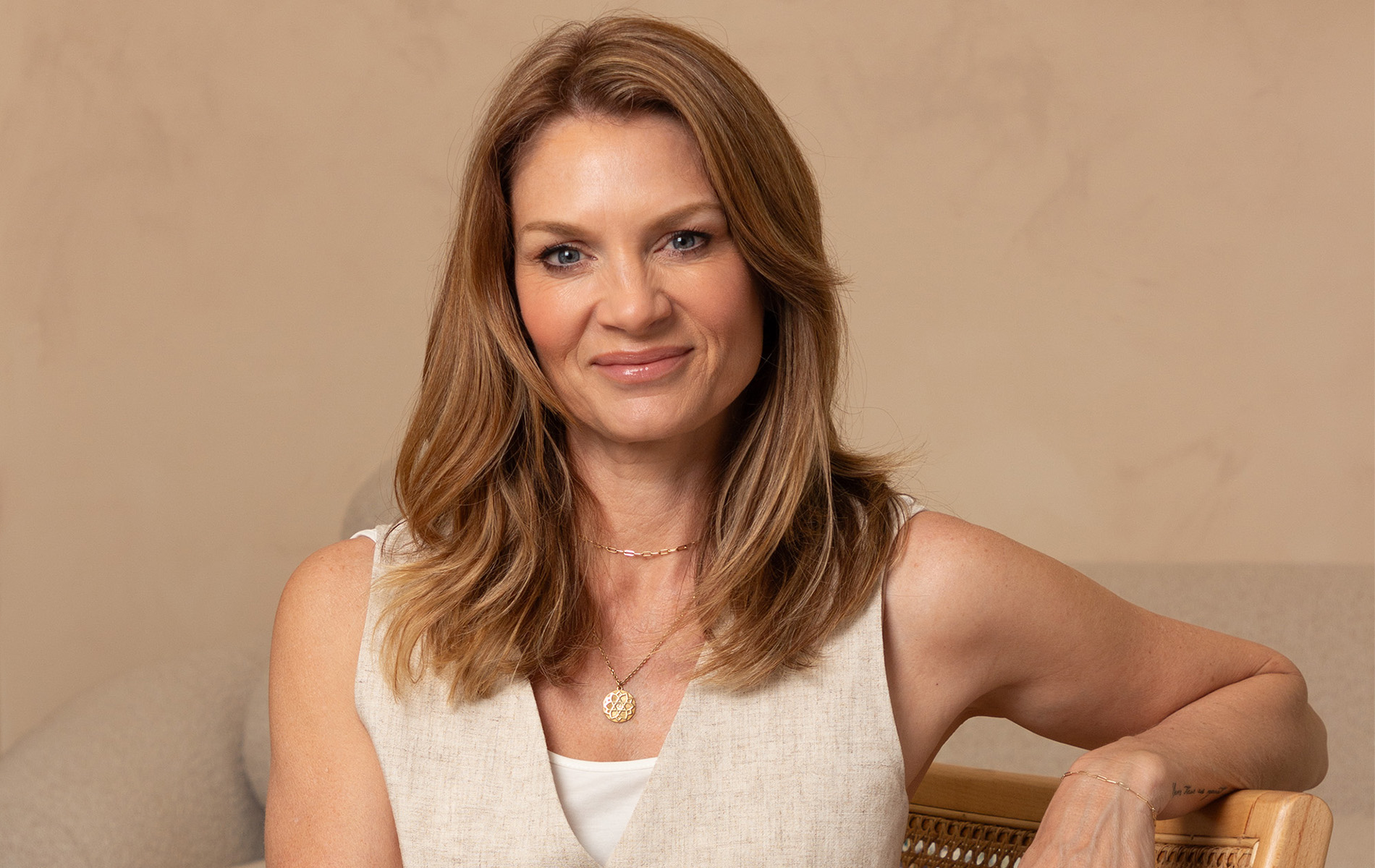
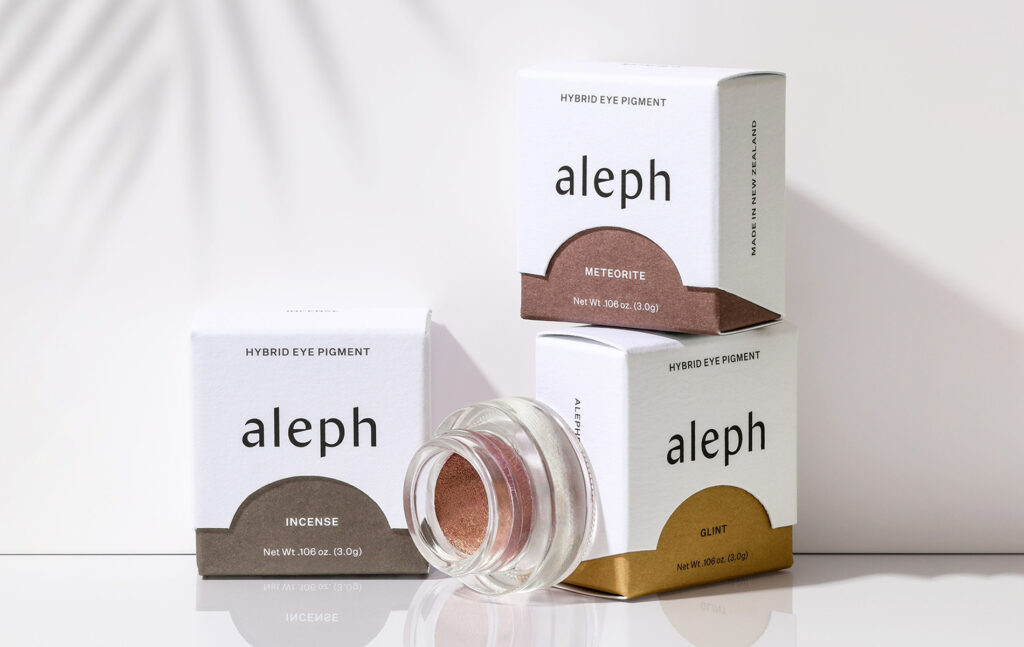
When Emma Peters launched Aleph eight years ago, B Corp certification was barely known in New Zealand, let alone in beauty. But for a makeup artist with thirty years behind the brush and a lifelong habit of reading ingredient labels, the framework wasn’t a marketing exercise to chase — it was simply a way of proving what Aleph had been doing from day one. Named for the first letter of several ancient alphabets, Aleph is built on ideas of beginning, oneness and alchemy: creating something better from what you already have. The result is a professional-grade makeup range formulated without microplastics, silicones, PFAS, PEGs or known hormone disruptors, packaged to be refilled, reused or properly recycled, and now certified to prove it. We sat down with Emma Peters to talk about the eight-year road to B Corp, the myth that clean beauty means compromised performance, and why she thinks the whole industry needs to be held to a higher standard.
The Origin Story
What was the catalyst for you personally to pursue B Corp certification — was there a moment or experience that made it non-negotiable for Aleph?
From the very beginning, B Corp was on my radar. I’d heard about the certification, started looking into what it actually involved, and had this lovely moment of realising that so much of it was already how we were building Aleph.
We started eight years ago, when B Corp was still much less known in New Zealand. It took us a few years to get certified because the process is incredibly rigorous, and we needed to grow to the point where we had the resources to properly measure, document and quantify everything.
For me, it felt like a natural fit. It gave structure and accountability to values we already genuinely cared about.
Tell us about the concept behind the name “Aleph” — where did the philosophy of alchemy and nature come from, and how does it shape the brand?
Aleph is the first letter of several ancient alphabets and, for me, it represented a beginning — the idea of creating something from first principles.
It also represents oneness, which is something I hold a lot of value in. People, planet and animals all need to be considered in everything we do. I see them as interconnected — if you let one pillar down, the whole thing starts to crumble.
Then there’s the idea of alchemy: creating something different, and often more valuable, from what you already have. That comes directly from my background as a makeup artist. I’ve spent my whole career creating more with less — mixing, adapting and finding new ways to use the products in front of me.
That philosophy has shaped Aleph from the beginning: fewer, better products, designed to work harder and do more.
What’s your own background, and how did it lead you to start a makeup brand built around conscious formulation?
I’ve been a makeup artist for more than 30 years, so I’ve spent my whole career looking very closely at skin — how makeup sits on it, how it changes with age, and what makes someone feel like the best version of themselves.
I’ve also always been an avid label reader, first with food and then with cosmetics. I became fascinated by ingredients and by understanding how what we put in and on our bodies can affect us, both positively and negatively.
Over time, that curiosity combined with what I was seeing in the beauty industry — the amount of product, packaging and waste, and the lack of consideration around formulation.
Aleph came from wanting to do things differently: professional-level makeup that supports the skin, with far more thought given to the ingredients, the impact, and the entire lifecycle of the product.
The Certification Process
Walk us through what B Corp certification actually required of Aleph — which parts of the business did you expect to be assessed, and which parts surprised you?
The process is incredibly thorough. We expected to be assessed on things like our ingredients, packaging and environmental impact, but B Corp goes much further than that.
It looks across the whole business — governance, employees, suppliers, community, environmental practices and the way you measure your impact.
What surprised me most was just how much evidence and documentation is required. You can’t simply say you operate responsibly; you have to prove it, quantify it and show the systems behind it.
That rigour is really what gives the certification its value.
What was the hardest part of meeting the standard — was it formulation, supply chain, packaging, or something else entirely?
The hardest part for us was actually that we were a small business that had been doing many of the right things from the get-go.
A lot of the B Corp framework rewards the changes a business has made over time to move in a more sustainable direction. Because we had built Aleph around those principles from the beginning, we didn’t always have a “before and after” to point to — this was simply how we operated.
So in some ways, the challenge was proving and quantifying practices that had always been part of the business, rather than demonstrating a big shift in how we worked.
Formulation and Skin Health
You’ve deliberately excluded microplastics, silicones, PFAS, PEGs and hormone disruptors. What drove those specific exclusions, and what did you have to solve for in the formulation lab as a result?
It came back to the same question I’ve always asked: if there’s a better way to formulate, why wouldn’t we?
We set clear boundaries around ingredients we didn’t want to use, including microplastics, silicones, PFAS, PEGs and ingredients of concern from a hormonal or environmental perspective. Some of those decisions were about skin, some were about environmental persistence, and some were simply about reducing unnecessary ingredients where we could.
The challenge in the lab was performance. Conventional beauty relies heavily on certain synthetics to create slip, spreadability, wear and texture, so removing them meant we had to find other ways to achieve that same level of elegance and professional performance.
What I find really exciting is what’s happening in green chemistry now. The quality and sophistication of naturally derived ingredients has come such a long way, and we can achieve textures and performance that simply weren’t possible years ago. I’m fascinated by that progress, and it gives us so much more scope to keep pushing formulation without compromising the standards we’ve set for Aleph.
How do you balance “clean” formulation with professional, high-performance results — is there still a perception that consumers have to trade one for the other?
I think that perception is still there to some degree, and historically there was some truth to it. Early clean beauty often struggled with texture, colour, wear and payoff.
For me, performance has always been non-negotiable. I’m a makeup artist first, so if a product doesn’t perform beautifully, it doesn’t make it into the range.
What’s changed is the technology. Green chemistry has moved forward enormously, and we now have access to naturally derived ingredients that can deliver beautiful slip, pigment payoff, longevity and skin feel. The challenge is finding the right combination and being willing to keep refining until you get there.
The other challenge is that “clean” has become such a loose term. Consumers are asked to accept that claim at face value, even when a formula may still contain a raft of ingredients we would never use. That makes it harder to communicate just how far we go at Aleph to create products that are both genuinely clean and genuinely efficacious, especially in a market where there is so much clean-washing.
I don’t believe consumers should have to choose between clean and high performance anymore.
Sustainability Beyond the Formula
Refillable and plastic-free packaging is a significant commitment logistically. What did building that system involve?
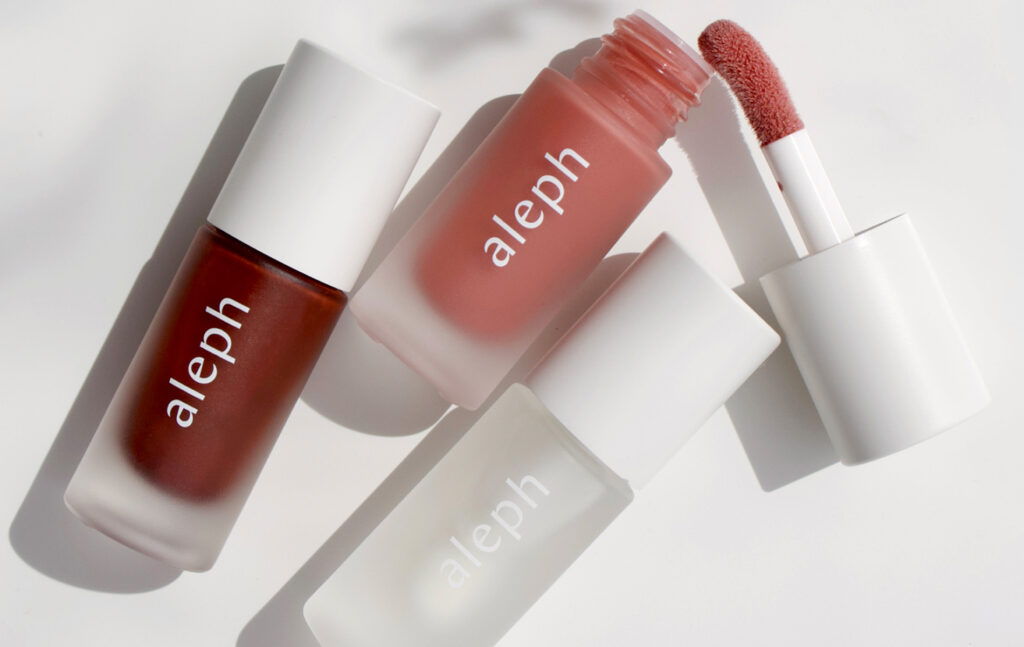
It involved — and continues to involve — a huge amount of problem-solving. Plastic-free packaging sounds relatively simple, but it’s incredibly nuanced. It’s not just a choice between plastic and glass. What size is the glass? Is it clear, coloured or frosted? Every one of those decisions has recycling implications, and they differ from market to market.
We realised quite early that if we wanted to be truly comfortable with what we were putting into the world, we also needed to take responsibility for its end of life. Beauty packaging is particularly challenging because so many components are too small to be captured by kerbside sorting facilities, so they can still end up in landfill regardless of what material they’re made from.
That led us to build our own in-house system. We’ve developed direct relationships with our recycling partners, we hand-separate components and deliver each material to the appropriate recycler, and we’ve also created a process for jars that are still viable to be commercially cleaned, refilled and put back into circulation.
It’s been a long process, and we’re constantly refining it, but sustainability has to go beyond choosing a material that sounds good. You have to understand what actually happens to it at the end.
The Bigger Picture
Why is it important for more brands in the beauty industry to pursue B Corp certification — what difference would it make if this became the norm?
I think the biggest value of B Corp is accountability. Beauty is an industry where it’s very easy to make claims around clean, sustainable or ethical practices, and much harder for a consumer to know what sits behind those claims.
B Corp forces businesses to look at the whole picture and actually measure their impact — on people, the planet, their supply chain and the way the business is run.
If more beauty brands went through that level of scrutiny, I think it would raise the baseline for the entire industry. It would push all of us to be more transparent, more responsible and much more considered about what we’re putting into the world.