For many people, Melasma seems to appear overnight.
One day your complexion looks relatively even, and the next, you notice patches of brown or grey-brown pigmentation spreading across the cheeks, forehead, upper lip or jawline.
Then comes the confusion: I wore sunscreen all summer… so why does it suddenly look worse?
The answer is more complex than most people realise.
Melasma is not simply sun damage. It is a chronic pigment disorder influenced by hormones, inflammation, heat, UV exposure, stress, genetics and even lifestyle factors. And while summer often acts as the trigger, the visible darkening frequently emerges afterwards — just as the weather begins to cool.
According to skin expert Kiki Chakra, many people are surprised to learn that melasma can worsen even without obvious sun exposure.
“Melasma, like most passive pigmentation — pigmentation driven by internal factors like stress, medication or hormonal changes — can be triggered during summer and appear darker, even if you avoid direct sunlight,” she explains. “It’s not just UV — heat itself can stimulate pigmentation.”
WHAT IS MELASMA?
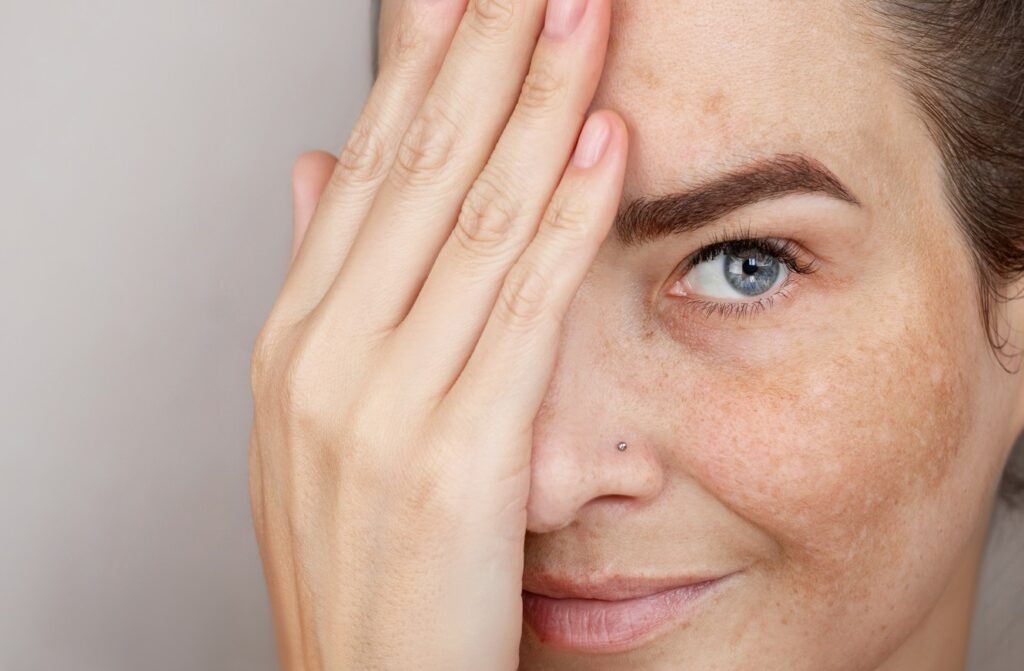
Melasma is a pigmentary condition where melanocytes — the skin cells responsible for producing pigment — become overactive, creating uneven patches of discolouration.
Unlike freckles or isolated sun spots, melasma tends to appear symmetrically and is often diffuse in nature. Common areas include:
• Cheeks
• Forehead
• Upper lip
• Temples
• Jawline
It disproportionately affects women and is strongly linked to hormonal shifts, which is why pregnancy, oral contraceptives, IVF treatments and perimenopause can all trigger flare-ups.
But hormones are only part of the story.
Modern research increasingly shows melasma is deeply connected to inflammation and vascular activity within the skin, which helps explain why it can be so persistent — and why aggressive treatments often backfire.
WHY MELASMA OFTEN LOOKS WORSE AFTER SUMMER
One of the biggest misconceptions about melasma is that pigmentation appears immediately after sun exposure. In reality, pigment production often develops slowly beneath the surface before becoming visible weeks later.
“Melasma doesn’t always react and darken instantly — pigmentation can build up over weeks, so it’s common that by the end of summer those dark patches appear more pronounced,” says Chakra. “It can take anywhere between 28 to 40 days for skin cells to renew, meaning a delayed appearance in pigmentation is common as the seasons change.”
Several factors contribute to this post-summer flare.
Heat Can Trigger Pigmentation
Many people focus solely on UV exposure, but heat itself can stimulate melanocyte activity.
That means:
• Hot weather
• Saunas and steam rooms
• Hot yoga
• Intense exercise
• Cooking over heat
• Infrared exposure
can all contribute to worsening pigmentation.
“When your skin overheats, it activates melanin production, meaning even indoor or indirect heat can make pigmentation worse,” Chakra explains.
Cell Turnover Slows Down
As humidity drops and cooler weather arrives, the skin’s natural exfoliation process often slows.
“In cooler and drier conditions, the skin’s natural cell turnover begins to slow down,” says Chakra. “This means that dead skin cells, including those carrying excess pigment, shed more slowly and accumulate on the surface, making dark patches appear darker and more persistent than they actually are.”
Your Summer Tan Fades
Ironically, a tan can temporarily disguise melasma.
“A summer tan can act as a temporary veil, softening the appearance of uneven pigmentation,” Chakra says. “As surrounding skin deepens in tone over summer, darker patches blend in and appear less pronounced. Come autumn, as that background tan fades, melasma becomes more visible by contrast.”
WHY AUTUMN IS OFTEN THE BEST TIME TO TREAT MELASMA
While pigmentation may appear worse after summer, autumn is often considered the ideal time to begin corrective treatments.
“The silver lining is that post-summer is actually one of the better times to begin addressing melasma,” Chakra explains. “UV intensity is lower, skin is generally less reactive, and starting a targeted treatment plan means working with the skin’s natural renewal cycle rather than against it.”
This matters because many professional pigmentation treatments temporarily increase photosensitivity, making skin more vulnerable to UV-induced inflammation and rebound pigmentation.
For this reason, cooler months allow practitioners to work more safely and effectively.
THE MOST EFFECTIVE TREATMENTS FOR MELASMA
Treating melasma successfully is rarely about a single miracle treatment. Most experts now approach it through a combination of:
• In-clinic treatments
• Barrier-supportive skincare
• Strict UV and heat protection
• Long-term maintenance
• Inflammation management
because melasma behaves more like a chronic condition than a one-off skin concern.
Here are some of the Treatments Kikki suggests under the care of a qualified practitioner:
Cosmelan Depigmenting Treatment
Among professional treatments, the mesoestetic Cosmelan depigmenting system is widely regarded as one of the most effective approaches for stubborn pigmentation and melasma.
Unlike treatments that simply exfoliate surface pigment, Cosmelan works by helping suppress excess melanin production at the source.
The protocol typically involves:
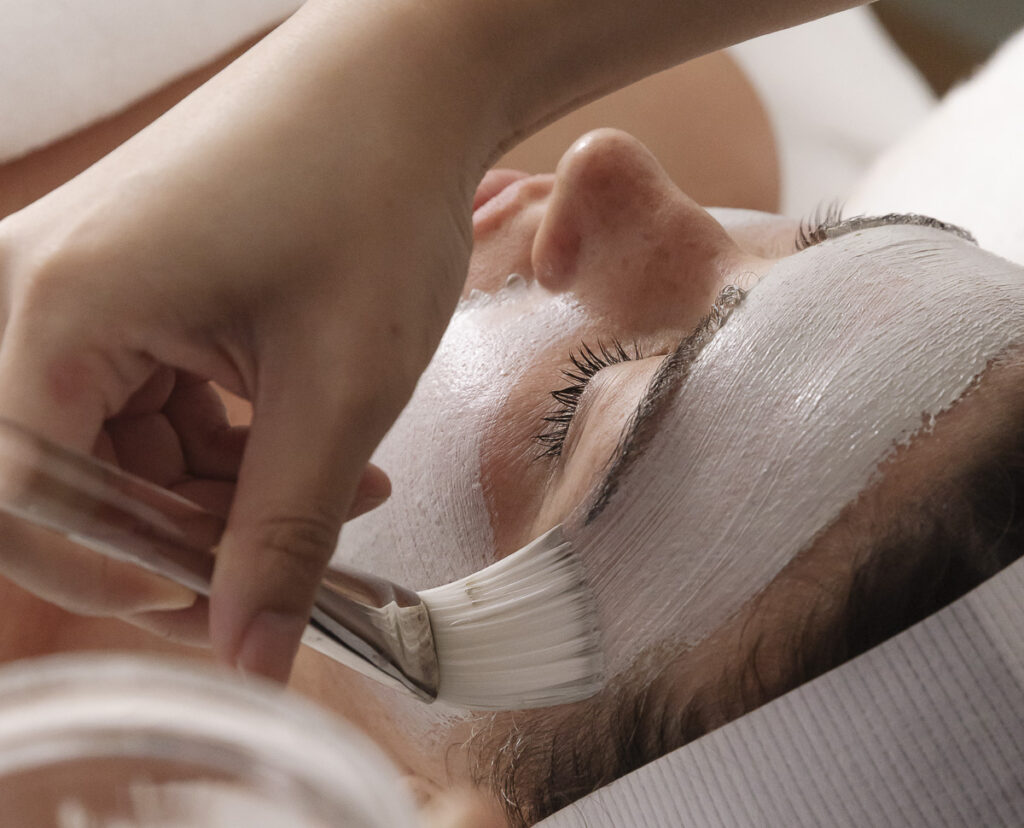
• An intensive in-clinic mask treatment
• Several days of visible peeling and skin shedding
• A structured at-home maintenance program over months
What makes Cosmelan particularly effective is its ability to target multiple pathways involved in pigmentation, including:
• Melanin overproduction
• Inflammation
• Uneven cell turnover
• Recurring pigment triggers
The treatment requires commitment and consistency, particularly with aftercare and sun protection.
Because freshly treated skin becomes more UV-sensitive, autumn and winter are generally considered the safest and most effective times to begin the process.
Lumecca IPL
Advanced IPL technologies such as Lumecca are increasingly being used to target visible sun damage, pigmentation and redness.
Lumecca works by delivering intense pulsed light energy into the skin, where it is absorbed by pigment and vascular irregularities. This helps break down:
• Sun spots
• Freckles
• Diffuse pigmentation
• Redness
• Broken capillaries
It also stimulates collagen production, helping improve overall skin clarity and brightness.
While IPL can produce impressive results, melasma must be approached cautiously with heat-based treatments, as some forms can worsen if treated too aggressively. Practitioner experience and correct treatment settings are critical.
Importantly, IPL is not limited to facial rejuvenation.
“Chakra Skin clients have seen excellent results on sun damaged areas such as back and shoulders too,” Chakra says.
RF Microneedling (Morpheus8-Style Treatments)
Radiofrequency microneedling has become one of the most sought-after skin rejuvenation treatments globally.
Technologies such as Morpheus8 combine Microneedling and Controlled radiofrequency heat to stimulate collagen production deep within the skin.
These treatments are commonly used to improve:
• Skin laxity
• Fine lines
• Texture
• Acne scarring
• Overall skin quality
For melasma-prone skin, however, RF microneedling must be carefully tailored. Because heat can potentially stimulate pigment production, conservative treatment settings and experienced practitioners are essential.
When used appropriately, RF microneedling can support healthier, stronger skin while also addressing photodamage and ageing concerns that often accompany pigmentation disorders.
Medical-Grade Chemical Peels
Professional chemical peels remain one of the most effective ways to accelerate controlled skin renewal and improve pigmentation.
Unlike superficial at-home exfoliants, medical-grade peels are formulated to:
• Dissolve excess dead skin cells
• Accelerate cell turnover
• Improve pigment dispersion
• Brighten uneven tone
• Stimulate skin renewal
Different acids target different concerns:
• Glycolic acid for texture and brightness
• Lactic acid for hydration and gentle resurfacing
• Salicylic acid for congestion
• TCA peels for deeper correction
For melasma, the goal is not aggressive stripping of the skin, but gradual correction while protecting the skin barrier and minimising inflammation.
Because post-peel skin is highly sensitive to UV exposure, autumn provides a safer recovery environment with reduced risk of rebound pigmentation.
HOW TO PREVENT MELASMA FROM RETURNING
One of the challenges with melasma is that even after successful treatment, it can return easily without ongoing maintenance.
Experts generally recommend:
• Daily SPF50+ use
• Wearing hats outdoors
• Avoiding excessive heat exposure
• Supporting the skin barrier
• Using pigment-regulating skincare consistently
• Managing inflammation where possible
Tinted mineral sunscreens containing iron oxides are increasingly recommended because visible light and blue light exposure may also contribute to melasma in some individuals.
THE FUTURE OF MELASMA TREATMENT
The industry is increasingly moving away from aggressive “strip and resurface” approaches toward calmer, more integrated treatment strategies.
Today’s best melasma management plans often combine:
• Clinical treatments
• Anti-inflammatory skincare
• Barrier repair
• Collagen support
• Hormonal awareness
• Lifestyle modifications
• Long-term prevention
Because while melasma appears on the surface, its triggers often run much deeper.
And perhaps that is the most important thing to understand: successful melasma treatment is rarely about chasing perfection. It is about consistency, prevention and supporting the skin in a way that works with its biology — not against it.
Visit chakraskin.com.au to learn more