For elite athletes, performance is often measured in seconds, strength and statistics. But behind the scenes, true resilience is built through recovery, rest and a deep understanding of the body’s rhythms.
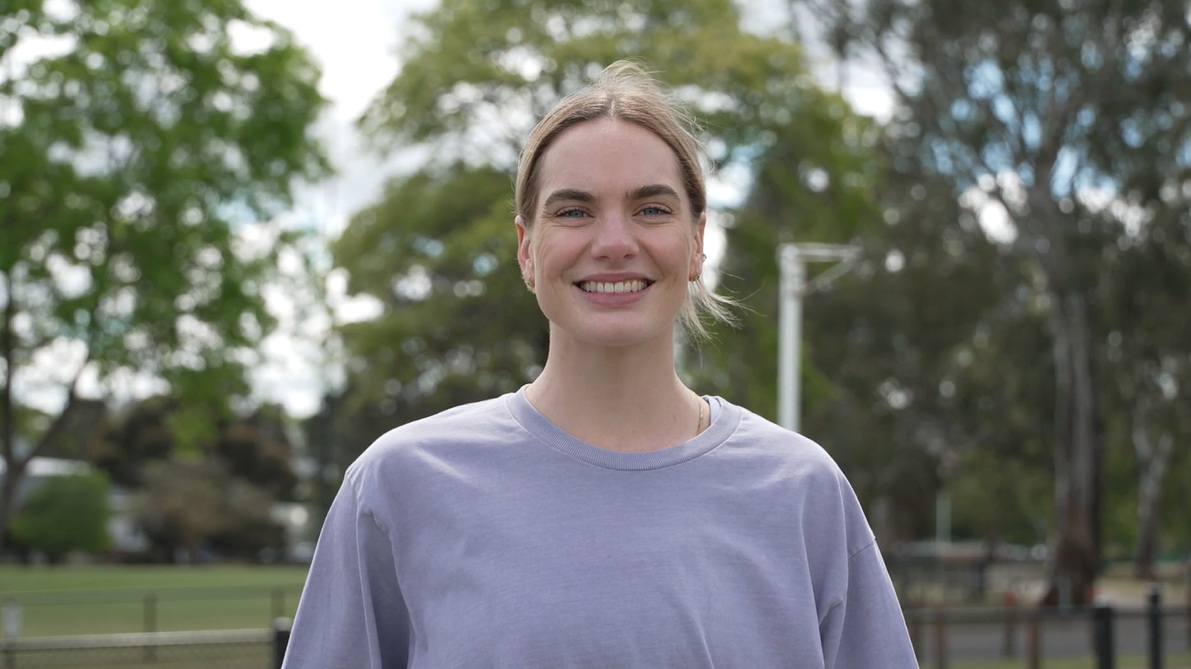
Professional netballer and Australian Diamond’s GA, Kiera Austin knows this well. Beyond the court, she’s helping shift the conversation around menstrual health — speaking openly about PMS, period pain and the importance of listening to your body, rather than pushing through it.
Kiera shares how tuning into her cycle has changed the way she approaches recovery, why evidence-informed, plant-based support matters, and what true downtime looks like when the whistle blows. It’s a reminder that wellness isn’t just about performance – it’s about sustainability, self-awareness and honouring the body at every stage.
{If you don’t want to answer all 10, that is fine – answer the ones you feel most relevant}
You’ve been open about how PMS and period pain can affect energy, focus and performance on court. How has tuning into your cycle changed the way you care for your body — both physically and emotionally?
Tracking my cycle is very important for me. It gives me the best chance to understand my body and when to put a little more TLC into it. I don’t feel as surprised when I get symptoms and I feel prepared to handle any symptoms that do arise.
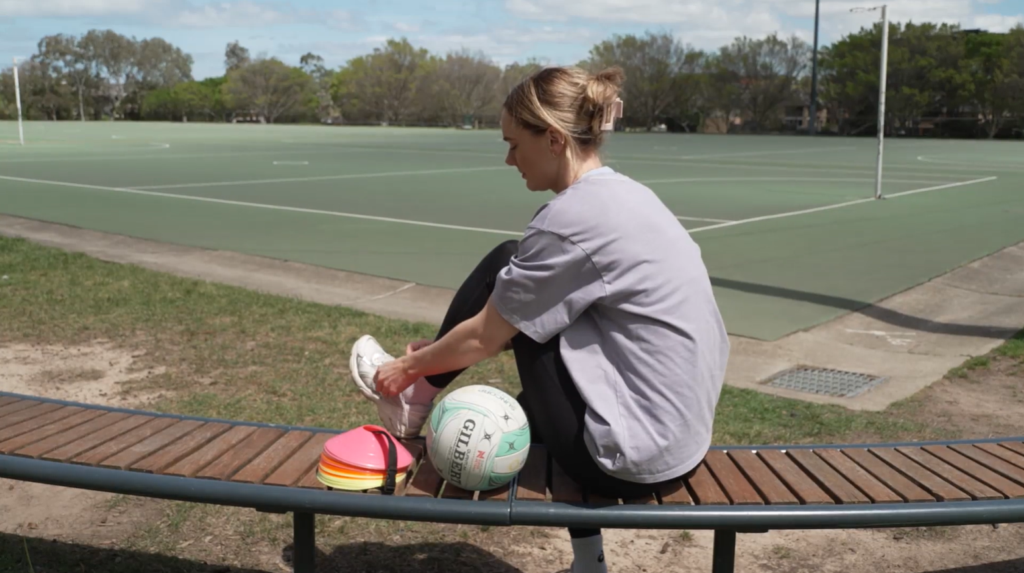
Recovery is just as important as training for elite athletes. During different phases of your cycle, how do you prioritise rest and recovery to support both performance and overall wellbeing?
Tracking your cycle is a big part of planning for the best recovery in and around your period. I may not plan as many external events outside of training because I may be feeling more lethargic/tired when my period is due. In doing so, I am able to maintain a balanced approach to sport and life.
New Australian research is exploring non-hormonal, plant-based options for PMS and period pain. What appealed to you about seeing menstrual support framed through both science and a more natural approach?
It is great that there is research being done in this area, so that options for women become greater and more diverse. What works for one person, may not work for another, so having alternatives such as non-hormonal, plant-based options is beneficial.
Many women still push through discomfort, whether in sport, work or life. What have you learned about the cost of ignoring your body’s signals — and the benefits of listening earlier?
-
- When you’re off the court, what does genuine downtime look like for you? Are there particular rituals, practices or environments that help you truly switch off and recharge?
- Spa & Wellness readers are deeply interested in recovery beyond ice baths and compression boots. Are there slower, more nurturing practices you lean into — especially around your cycle — such as massage, breathwork or time in nature?
As an athlete, you’re mindful of what you put in and on your body. How important is it to you that recovery and wellbeing options — including plant-based support – are well-tolerated and evidence-informed?
It is incredibly important as an athlete to know what is going in your body. Taking any form of medication and knowing it is evidence-informed is reassuring. We get drug tested at random, so having confidence in the supplements you have taken provides great clarity. We don’t want to feel restricted because we are athletes, so having various options is great.
Research like this reassures us that non-hormonal, plant-based options are being rigorously studied, helping women – athletes and non-athletes alike – make informed choices.
You’ve spoken about encouraging open conversations around menstrual health. How do you think normalising these discussions can positively impact women’s mental wellbeing, not just physical comfort?
Normalising the conversations around periods hopefully reduces the stigma around it. It is such a normal process for any women or young girl to go through, that having conversations about it ideally makes them feel seen and supported. Everyone experiences their period differently as well, and having a community where you can share your experience openly also has great benefits.
For women who don’t identify as athletes but still feel their periods disrupt daily life, what simple shifts or mindset changes have helped you feel more empowered around your cycle?
Being aware of how your body responds in and around your period is hugely beneficial. You can begin to prepare for symptoms, plan ways to look after your body, and in doing so, feel empowered. It may take some time and some trial and error, but there is always support out there.
The Khapregesic study results are encouraging. Your period should never stop you from doing what you love, and having supportive, well-tolerated, non-hormonal options gives women confidence to keep living their lives.
Looking ahead, what does ‘wellness’ really mean to you now — and how has your understanding of rest, recovery and menstrual health evolved as your career has progressed?
Wellness is not just physical but emotional and mental as well. Finding ways to balance all areas can be hard but it is something we can continuously grow at. Who I was as an athlete when I was younger is much different to who I am now. But every day I find ways to tend to my body better, and in doing so, it has done some incredible things for me.