An ancient wellness system made for modern life.
There’s a certain kind of calm that only comes from feeling understood, not just treated. That’s one of the quiet gifts of Traditional Arabic and Islamic Medicine (TAIM): it’s not a “one-size-fits-all” approach. It’s a system built on individuality, rhythm, balance, and a deep respect for the healing power of nature. And while it has ancient roots, the way it’s being reintroduced in high-quality wellness settings today feels remarkably relevant, especially for modern stress, sleep issues, hormonal disruption, digestive complaints, and the general sense of feeling “out of sync”.
WHAT IS TAIM?
TAIM is an umbrella term for a broad, living healing tradition practiced across the Arab and Muslim world. In academic literature it’s defined as a system of healing practiced since antiquity, shaped by Islamic influence, and incorporating medicinal herbs, dietary practices, mind-body therapies, spiritual healing, and applied therapies such as cupping and manual techniques.
For me, TAIM is a blend between Traditonal Chinese Medicine and Ayurvedic Medicine. Rooted in balance and using traditonal herbs for prevenation and/or healing.
You’ll often hear related terms alongside TAIM, including Graeco-Arabic (Unani) medicine, Islamic medicine, and Tibb Nabawi (Prophetic medicine). These strands developed in different historical contexts, but share overlapping philosophies and practices. The TAIM framework is useful because it brings these interconnected traditions together under one coherent model.
A BRIEF HISTORY: WHERE IT COMES FROM (AND WHY IT MATTERS)
TAIM evolved at the crossroads of scholarship, trade, and cultural exchange.
From the 8th century onwards, Greek medical texts associated with figures such as Hippocrates and Galen were translated into Arabic, contributing to a flourishing medical culture across the region. Hospitals and medical schools expanded, and scholars including Al-Razi (Rhazes) and Ibn Sina (Avicenna) became central figures of what is now referred to as the Islamic Golden Age of medicine.
Ibn Sina’s Canon of Medicine, in particular, went on to influence European medical education for centuries after being translated into Latin.
This history matters because TAIM is not fringe or folkloric wellness. It is part of a sophisticated medical lineage that helped shape global medicine. Today, as the World Health Organization continues to acknowledge the widespread use and importance of traditional medicine systems worldwide, TAIM is being revisited with renewed respect, particularly in integrative and preventive health contexts.
HOW TAIM WORKS: THE PHILOSOPHY OF BALANCE
At the heart of TAIM is a deceptively simple idea:
Health is balance. Illness is imbalance.
Many TAIM approaches draw on humoural and temperamental frameworks, the understanding that each person has a natural constitution, and that qualities such as hot/cold and wet/dry must be kept in harmony.
When balance is disrupted through chronic stress, poor sleep, grief, overwork, sedentary living, inflammation, environmental exposure, or dietary strain the body can move toward disease.
In modern wellness language, TAIM is less concerned with silencing symptoms and more interested in identifying patterns.
KEY ELEMENTS YOU’LL SEE IN TAIM-INSPIRED CARE
While each practitioner and setting differs, common pillars include:
• Food as medicine: personalised dietary guidance and timing
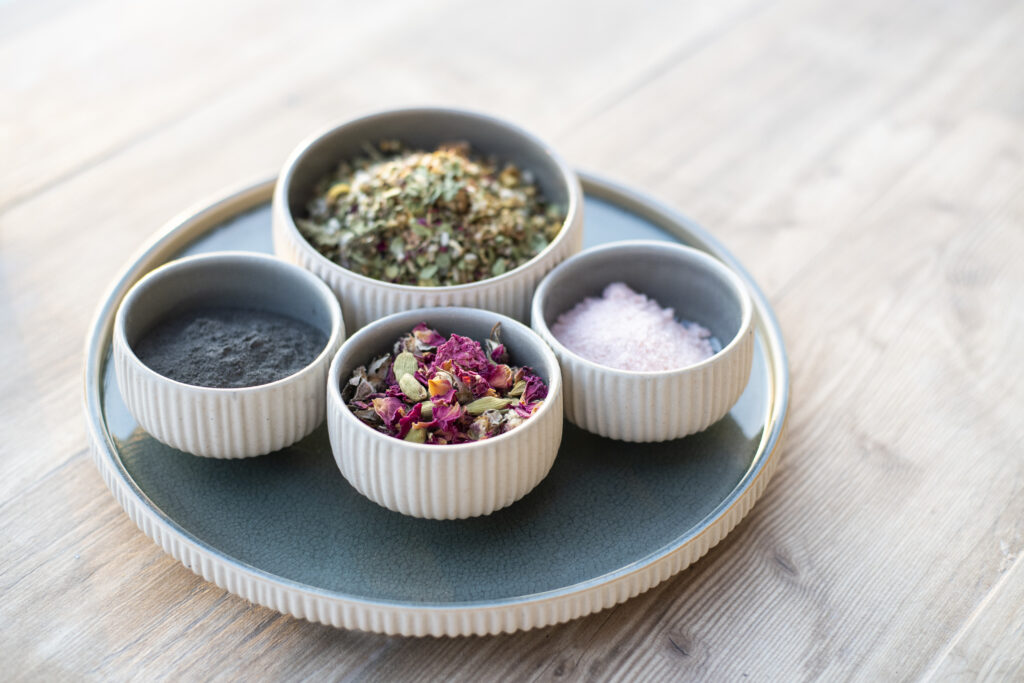
• Herbal medicine: teas, infusions, oils, and topical preparations
• Mind-body practices: breathwork, relaxation, reflection, meditation or prayer
• Spiritual wellbeing: approached with respect and cultural sensitivity
• Applied therapies: including cupping (hijama) and manual techniques
• Lifestyle as daily medicine: sleep, movement, rhythm, and recovery
COMMON MODERN ‘ILLS’ THROUGH A TAIM LENS
TAIM is highly individualised. The examples below illustrate traditional perspectives and modern wellness applications, not medical advice. Always work with qualified practitioners and your GP for ongoing or complex health concerns.
STRESS, BURNOUT & NERVOUS SYSTEM OVERLOAD
Often experienced as wired-but-tired energy, shallow sleep, digestive upset, tension, or emotional reactivity.
TAIM views chronic stress as a force that depletes reserves, disrupts digestion, and creates excess heat or dryness in the system.
Support may include constitution-led dietary guidance, restorative bodywork, grounding therapies, breath and reflection practices, and regionally traditional herbs selected with care.
SLEEP DISRUPTION & INSOMNIA
Manifesting as difficulty falling asleep, waking during the night, vivid dreams, or unrefreshing rest.
TAIM emphasises sleep as a cornerstone of regulation, supporting it through evening routines, cooling or calming dietary approaches, mind-body downshifting practices, and therapies targeting tension and circulation.
DIGESTIVE COMPLAINTS
Including bloating, sluggish digestion, reflux patterns, cravings, or fatigue.
In TAIM frameworks, digestive strength influences the entire system. Support often focuses on personalised food choices, herbal infusions, meal timing, stress awareness while eating, and gentle movement.
MUSCULOSKELETAL TENSION & ‘HELD’ STRESS
Neck and shoulder tightness, headaches, low back discomfort, or heavy legs.
Support may include manual therapies, cupping where appropriate, and lifestyle practices to improve circulation, recovery, and inflammation balance.
WOMEN’S WELLBEING & HORMONAL TURBULENCE
In traditional contexts, TAIM has long been sought for women’s health concerns. In modern retreat settings, the focus tends to be on foundations — sleep, nourishment, nervous system regulation, movement, and emotional support — often where the most noticeable shifts occur.
A MODERN-DAY HOME FOR TAIM
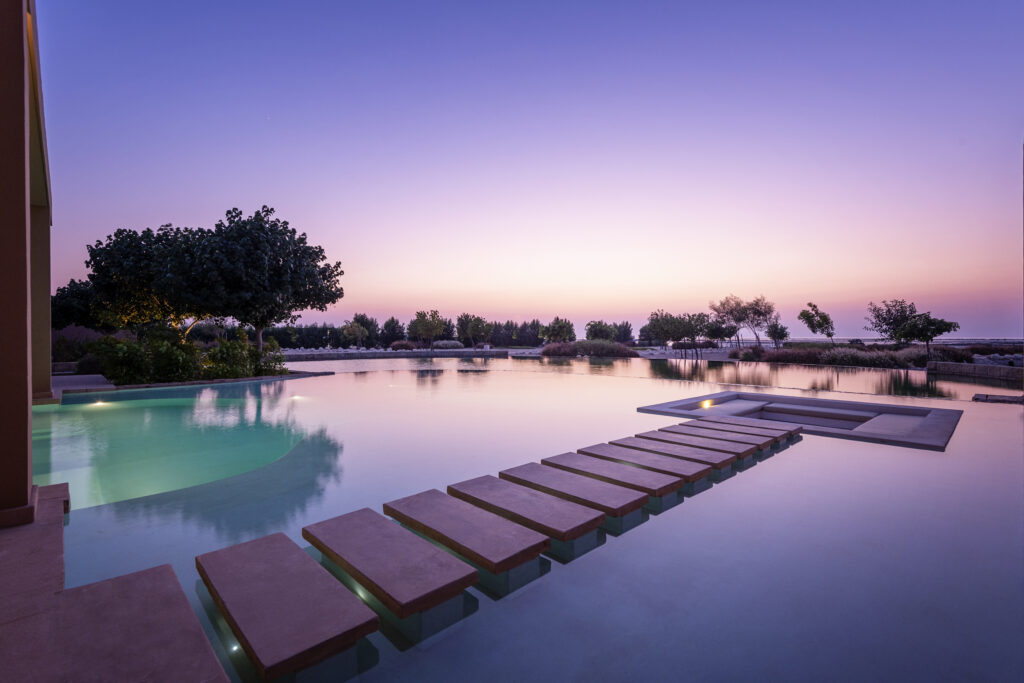
One of the most recognised contemporary expressions of TAIM can be found at Zulal Wellness Resort in Qatar, the world’s largest wellness destination of its kind and the first in the Middle East to be fully dedicated to TAIM.
Developed by Chiva-Som, Zulal is intentionally designed around the rhythms of the natural environment; desert, sea, light, heat, and stillness, creating a setting where TAIM doesn’t feel theoretical, but lived. The landscape itself becomes part of the medicine, reinforcing TAIM’s emphasis on balance between inner and outer worlds.
Rather than treating TAIM as an add-on or cultural reference point, Zulal positions it as the root system of the entire wellness journey. From consultations to cuisine, movement, therapies, and rest, everything is filtered through a TAIM lens personalised, measured, and deeply respectful of individual constitution.
TAIM consultations at Zulal may explore temperament (Mizaj) and dominant humour (Akhlath), helping practitioners understand how factors such as stress, sleep, digestion, emotional load, and environment are interacting within the body. From there, programs are shaped to gently restore balance rather than override symptoms.
What stands out most is the way ancient principles are translated into a modern, evidence-informed retreat experience. Herbal medicine, mind-body therapies, movement practices, hydrothermal experiences, and bodywork are offered alongside nutritional guidance and lifestyle education, allowing guests to leave not just rested, but more aware of how their own system works.
There’s also a quiet confidence to Zulal’s approach. TAIM is not presented as a cure-all or positioned against Western medicine. Instead, it sits comfortably as a complementary system; one that prioritises prevention, self-awareness, and long-term wellbeing over quick fixes.
For many guests, this is where the shift happens. The experience isn’t only about relaxation or escape, it’s about learning how balance feels in your own body, and how to recognise when you’re drifting away from it.
THE MODERN TAKE
Even if a TAIM-based retreat experience isn’t on your calendar, the philosophy offers a powerful reminder:
• Your wellbeing has a pattern. Symptoms are signals, not failures.
• Lifestyle is powerful medicine; practical, not preachy.
• Balance is dynamic. What supports you in one season may not serve you in another.
• Tradition and modern science can coexist through respectful, evidence-informed integration.
Sometimes, healing isn’t about doing more, it’s about listening better.